
RELEASEDSERIESJA
Kino's Journey
Tue, Apr 8, 2003
- Animation
- Sci-Fi & Fantasy
- Drama
- Action & Adventure
Series · Synopsis
Synopsis
In Kino's Journey, the protagonist, Kino, accompanied by a talking motorcycle named Hermes, travels through a mystical world of many different countries and forests, each unique in its customs and people. She only spends three days and two nights in every town, without exception, on the principle that three days is enough time to learn almost everything important about a place, while leaving time to explore new lands.
Trailer
Watch the trailer
Where to watch
Streaming on


Cast
Top of the call sheet
 Ai Maedaas Kino (voice)
- RRyuji Aigaseas Hermes (voice)
Related
If you’re into this…
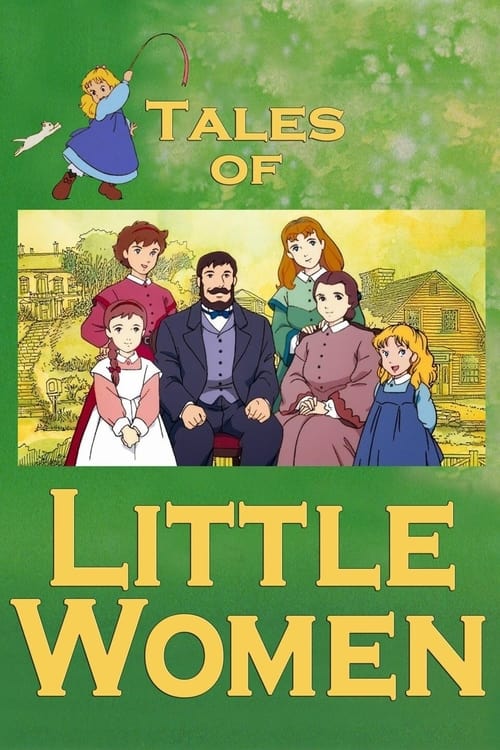 Tales of Little Women1987 · series
 7th Time Loop: The Villainess Enjoys a Carefree Life Married to Her Worst Enemy!2024 · series
 Slayers1995 · series
 Toriko2011 · series
 Girls' Last Tour2017 · series
 The Heroic Legend of Arslan2015 · series
 The Most Notorious "Talker" Runs the World's Greatest Clan2024 · series
 Magi2012 · series
 Fullmetal Alchemist2003 · series
 The Weakest Tamer Began a Journey to Pick Up Trash2024 · series